 The allies fight back - Part 3
 Total war - Part 2
 Blitzkrieg - Part 1
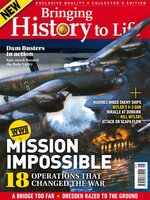 Mission Impossible - 18 operations that changed the war
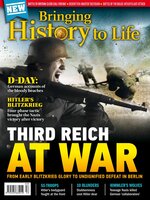 Third Reich at war - From early blitzkrieg glory to undignified defeat in Berlin
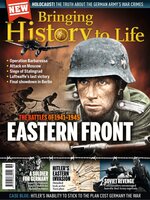 Eastern Front - The battles of 1941-1945
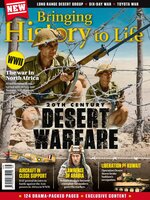 Desert Warfare
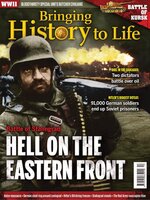 Hell on the Eastern Front
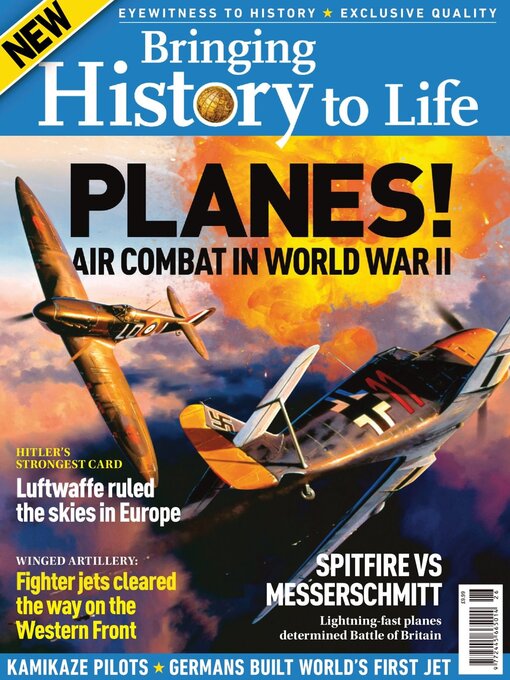
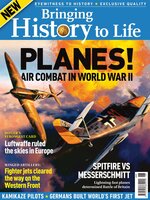 Planes! - Air combat in World War II
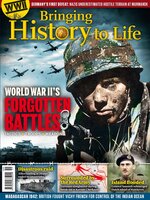 World War II’s Forgotten battles
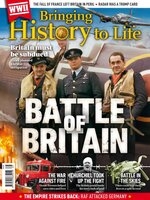 The Battle of Britain
 Hidden Heroes of War Elite soldiers
 Air War over Germany
 The Artic Convoys
 Incredible Weapons
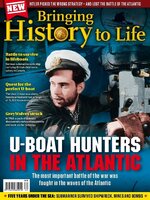 U-Boat Hunters in the Atlantic
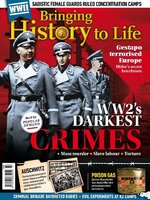 WW2's Darkest Crimes
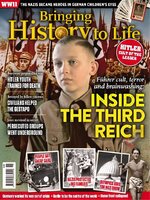 Inside the Third Reich
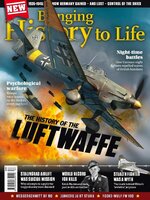 Luftwaffe
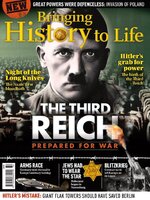 The Third Reich - prepared for war
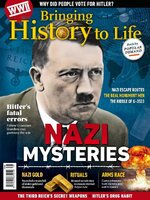 Nazi Mysteries
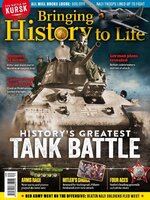 Historys Greatest tank Battle
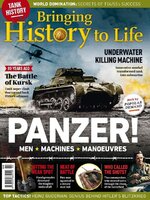 Panzer!
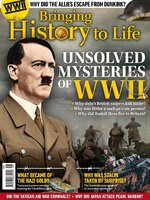 Unsolved Mysteries of WWII
In 1933, Adolf Hitler seizes power in Germany, where he has seduced the population with golden promises of a restoration of the Great German Empire. He allies himself with Mussolini's fascist Italy, Stalin's communist Soviet Union and the military dictatorship in Japan, which has the same dreams of grandeur as Germany. In this series, you get a thorough review of World War II - from the birth of fascism through the war's many dramas to the aftermath, where the victors deal with the war's worst criminals.
War was won in the air
Luftwaffe was founded in secret • When World War I ended, the victors agreed that the German air force had to be wiped out. Fighter aircraft were scrapped and pilots dismissed. But the Germans wouldn’t give up. On secret bases in the Soviet Union the Luftwaffe trained new pilots and tested the planes of the future.
MITSUBISHI A6M ZERO Fighter plane served the emperor • The Mitsubishi Zero was vastly superior in terms of air combat when it was introduced in the summer of 1940. Eventually, rivals surpassed the Japanese fighter both technically and tactically. The Zero’s last role of the war was as a suicide bomber.
Samurai in a Zero • Japan’s Saburo Sakai was as famous for his air-combat skills as for his rebellious behaviour. After World War II he became a fierce anti-war campaigner.
How the Battle of Britain was won • German and British fighters were equal in the air – what decided the Battle of Britain was what happened on the ground. Radar, surveillance and air traffic management were the RAF’s decisive weapons in a battle that technically ended in a draw.
Thank Tuck for victory • Robert Stanford Tuck had trained on the state-of-the-art Spitfire when he was forced to switch to the significantly slower Hawker Hurricane, but he adjusted brilliantly. “Immortal Tuck” played a key role when the RAF humiliated the Germans during the Battle of Britain in 1940.
1940 DUEL SPITFIRE VS BF 109 • In the summer and autumn of 1940, the Battle of Britain took place with two legendary fighter planes at its centre. The question of which one was best – the Messerschmitt Bf 109 or the Spitfire – is still a hot topic of debate today. Here we search for the answer.
Ace excelled in inferior planes • His Soviet Polikarpov I-16 plane was slow and underpowered – yet Boris Safonov proved a more deadly pilot than the Battle of Britain’s best Spitfire aces.
North Africa, 1941-1943 Aircraft attack in the desert • When World War II broke out, the Royal Air Force couldn’t provide close air support. It was only during the war in North Africa that RAF planes learn to coordinate air and ground forces in an efficient manner – knowledge that will become crucial to the Allied victory in Western Europe.
Multi-role aircraft DE HAVILLAND MOSQUITO • In March 1945, British bombers sweep across Copenhagen towards the Gestapo’s Danish headquarters. The fleet comprised 20 fast-flying and versatile de Havilland Mosquito aircraft.
Pilot was ace in a biplane • Franco Lucchini was one of Italy’s top pilots during World War II. He made great progress against the British over North Africa despite flying a slow Fiat CR.42 biplane.
ME 262 History’s first jet fighter • Germany put the world’s first jet-powered fighter into the air in 1942. It was a technical marvel, and the lightning-fast Messerschmitt Me 262 was expected to turn the war. But the Allies got lucky – Hitler intervened.
PHOTO SPECIAL NORTH AMERICAN P-51 MUSTANG • The Mustang was designed and built in the space of a few months, but it wasn’t a rush job. The P-51 flew higher and further than any other fighter during World War II and was the Allied plane that saw the most action. This legend is often referred to as the war’s best fighter...